International remote baggage screening first at Incheon

Share

Smiths Detection has enabled the successful launch of an automated International Remote Baggage Screening System (IRBS), which it believes sets a new global standard for cross-border aviation security and passenger processing between South Korea and the United States.
According to Smiths Detection, the achievement was led by Incheon International Airport Corporation (IIAC), which it claims “continues to set the global benchmark for innovation, digital transformation, and operational excellence in aviation”.
Indeed, by pioneering the implementation of IRBS, Incheon has arguably positioned itself as the world’s reference site for next-generation international aviation security.
FRICTIONLESS TRAVEL
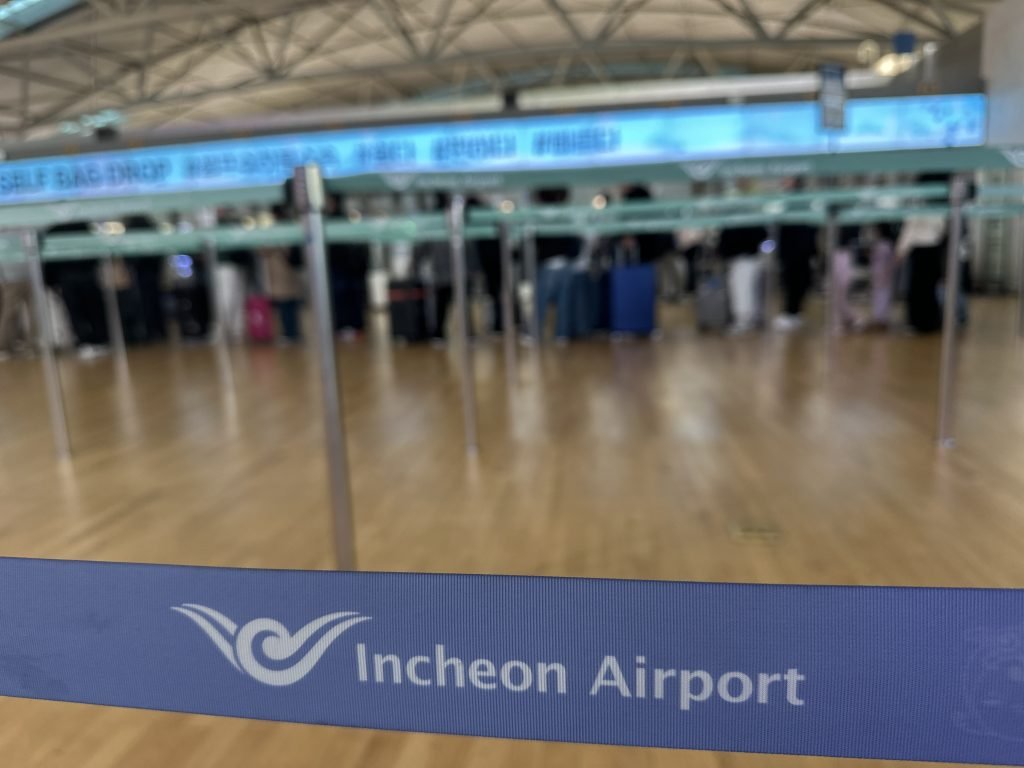
Under the new IRBS model, the checked baggage of passengers departing from or connecting through Incheon International Airport (IIA) Terminal 2 is screened remotely by US Customs and Border Protection (CBP) before landing in the United States.
Once cleared, baggage is transferred directly to its destination, eliminating the traditional reclaim-and-recheck process at the first US arrival airport, a breakthrough for International-to-Domestic (I2D) connections.
This removes a critical bottleneck, reduces connection times by up to 20 minutes, and significantly enhances both passenger experience and airport efficiency.
While the system currently applies only to the Atlanta route, IRBS-enabled routes are expected to gradually expand to Minneapolis, Seattle, Los Angeles, Detroit, and Salt Lake City.
ADVANCED SCREENING TECHNOLOGY
The system is powered by SecurePort-IRBS-K, Smiths Detection’s remote screening platform, deployed with 22 software licenses and integrated with HI-SCAN 10080 XCT computed tomography (CT) X-ray systems installed at Incheon International Airport’s Terminal 2.
The HI-SCAN 10080 XCT provides high-resolution, 3D volumetric imaging of checked baggage, enabling sophisticated threat detection while seamlessly integrating with Incheon’s advanced baggage handling facilities, screening equipment systems, and automation infrastructure.
All images and metadata are exported using the DICOS V3.0 standard and securely transmitted to CBP through a fully compliant data-exchange environment.

FUTURE VISION
Cymoril Métivier, global digital portfolio director at Smiths Detection, enthused: “IRBS is more than a system – it is a blueprint for the future of aviation.
“By leveraging the performance of the HI-SCAN 10080 XCT and advanced digital connectivity, Incheon International Airport Corporation has shown how airports can scale securely, eliminate friction points, and redefine the international passenger experience. This model will shape global airport strategies for years to come.”
Looking ahead, Smiths Detection stands ready to support IIAC’s continued innovation with the next-generation SDX 10080 SCT, the strategic successor to the 10080 XCT.
Designed to be future-ready, the SDX 10080 SCT delivers enhanced image quality, improved efficiency, reduced energy consumption, and compliance with evolving global regulatory standards.